
Signing in to your 1win profile
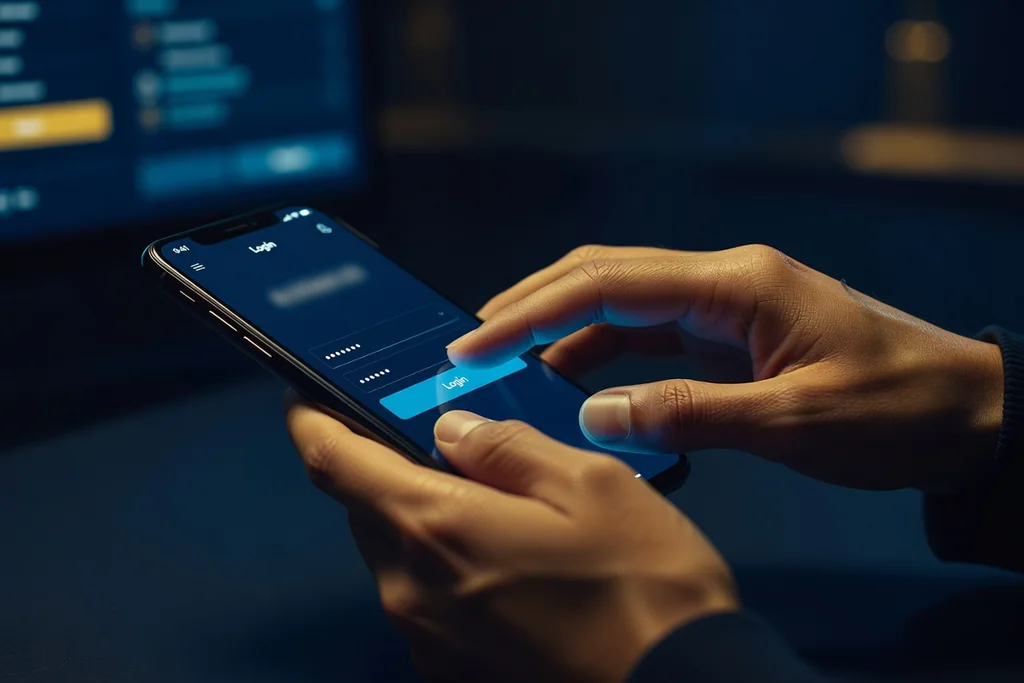
Signing in looks like the least interesting part of the platform, yet it is where accounts are lost. A login form is the single most imitated element on the internet, and a gambling account is attractive precisely because it holds a balance. Understanding what a normal sign-in looks like makes an abnormal one much easier to spot.
There is also a practical side. Sessions expire, devices multiply, and a forgotten password is a routine event. Knowing the intended route back into your own profile keeps a small annoyance from turning into a support case.
What happens when you log in
When you submit your credentials the platform checks them against the stored profile and issues a session that keeps you signed in for a period of time. The session is tied to a device and sometimes to a network address, which is why a login from a new device often triggers an extra confirmation step.
Logging out deliberately ends that session. Simply closing the tab may not, and on a shared or public computer the difference matters a great deal.
The sign-in options you will see
Typically there are three: an email or phone number with a password, a one-click option through a linked account, and a saved session on a device you have already used. Only the first is fully under your control, because it depends on something you know rather than on something you are already logged into.
One-click access is convenient and, for that reason, risky on a device you do not own exclusively. If the linked account is compromised, the gambling profile opens with it.
Why a session ends unexpectedly
Sessions end for ordinary reasons: a time limit set by the platform, a change of network, or a browser that was cleared of cookies. They also end for security reasons, such as a detected login from an unusual location. In both cases the remedy is the same — sign in again and confirm the identity check if it appears.
Repeated unexpected logouts, on the other hand, are worth investigating. If you are certain nobody else has your credentials, change the password first and then review the active devices in the profile settings.
Checking a login page before you trust it
- Confirm the domain in the address bar character by character, including the ending.
- Check for a valid encrypted connection before typing anything.
- Never reach a login page through a link in an unsolicited message.
- Type the address or use your own bookmark instead of a search result.
- Treat a login page that asks for card details as hostile by default.
Common sign-in problems and their causes
| Symptom | Likely cause | What to do |
|---|---|---|
| Password rejected | Wrong keyboard layout or a saved old password | Retype manually, then reset |
| Code never arrives | Number changed or a delivery delay | Wait, then check the profile detail |
| Login blocked | Too many attempts in a short time | Pause, then use the reset route |
| New device flagged | Standard identity confirmation | Complete the check once |
| Signed out repeatedly | Cookies cleared or another device active | Review active sessions |
Most of these situations resolve themselves without support, provided the recovery contact detail in the profile is still valid. An outdated phone number is the root cause behind a surprising share of login complaints.
Habits that keep a profile reachable
Keep the recovery details current, use a password manager so the credential is never guessed from memory, and log out on any device you do not control. Review the list of active sessions occasionally and remove the ones you do not recognise.
It also helps to separate contexts: use a dedicated email address for financial and gambling accounts, so that a breach somewhere unrelated does not immediately point an attacker at your balance.
Where the password should live
A password you have to remember is a password you will reuse, and reuse is what turns one breached newsletter into a stolen balance. A manager generates a different long string for every account and fills it in for you, so the credential never has to be typed from memory and never appears in a note on the phone.
If a manager is not for you, at minimum treat the gambling password as unique and never share it with the email address it is registered to. The two credentials should not fall in the same breach, and they should not be recoverable from each other.
One last habit belongs here too: check the browser or the phone is not offering to save the password on a device you do not exclusively own. That saved session is the quiet version of leaving the front door unlocked.
In short
Signing in is a security event, not a formality. The safest login is the boring one: a typed address, a long unique password, a second factor, and a deliberate logout. Every shortcut around that routine — a link from a message, a shared password, a saved session on a borrowed laptop — is a shortcut straight to the account.
Read next
How to create a 1win account
Choosing a registration method, filling in your details and what the confirmation step really checks.
Recovering access and resetting a password
What to do when a password is lost, why support asks for proof of identity, and how to restore an account safely.
Verifying your identity and profile
Why the operator checks documents, which checks are routine, and how to prepare your files in advance.